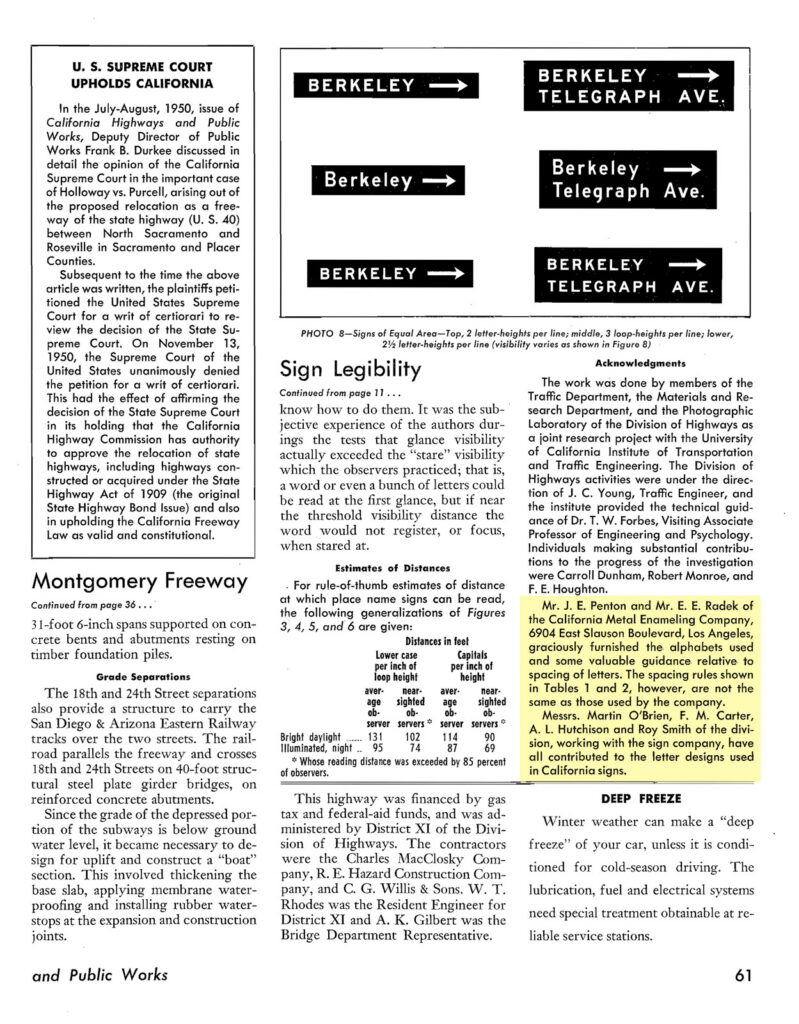
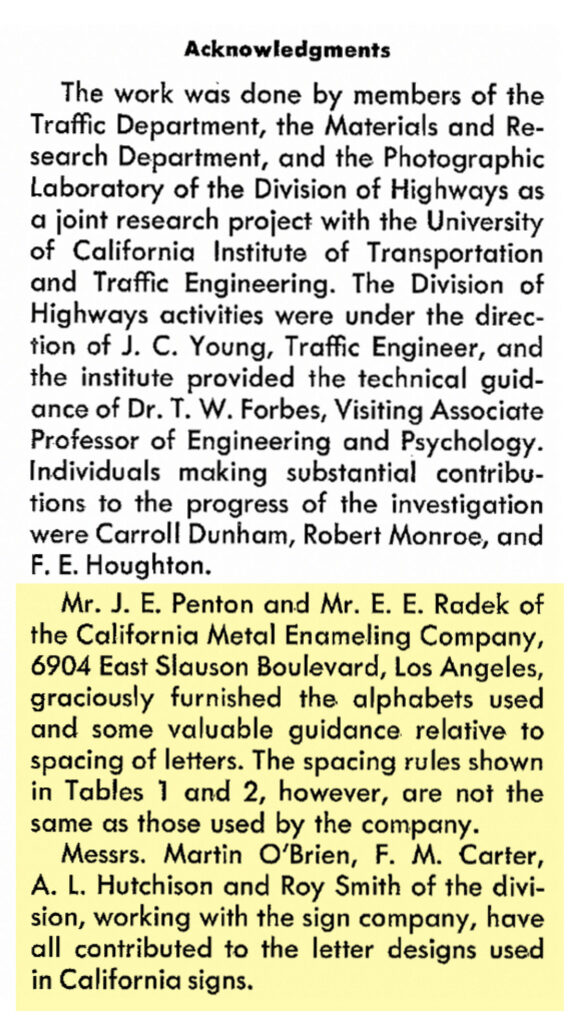
It is widely speculated that transportation psychologist Dr. Theodore Watson Forbes designed the Standard Alphabet. This has not been definitively established, and the actual designer of the letter forms is not known. Forbes is often credited as he led a study in the summer of 1950 into the combination of upper and lower case letters together in highway signs for the California Division of Highways while he was a visiting researcher at UCLA. Until this study, traffic signs used all capital letters. The paper was called A Comparison of Capital and Lower case Letters in Highway Signs and it proved that mixed-case lettering was more readable in most conditions than all capitals. His work in sign design became the standard that is still in use today.
Theodore Watson Forbes
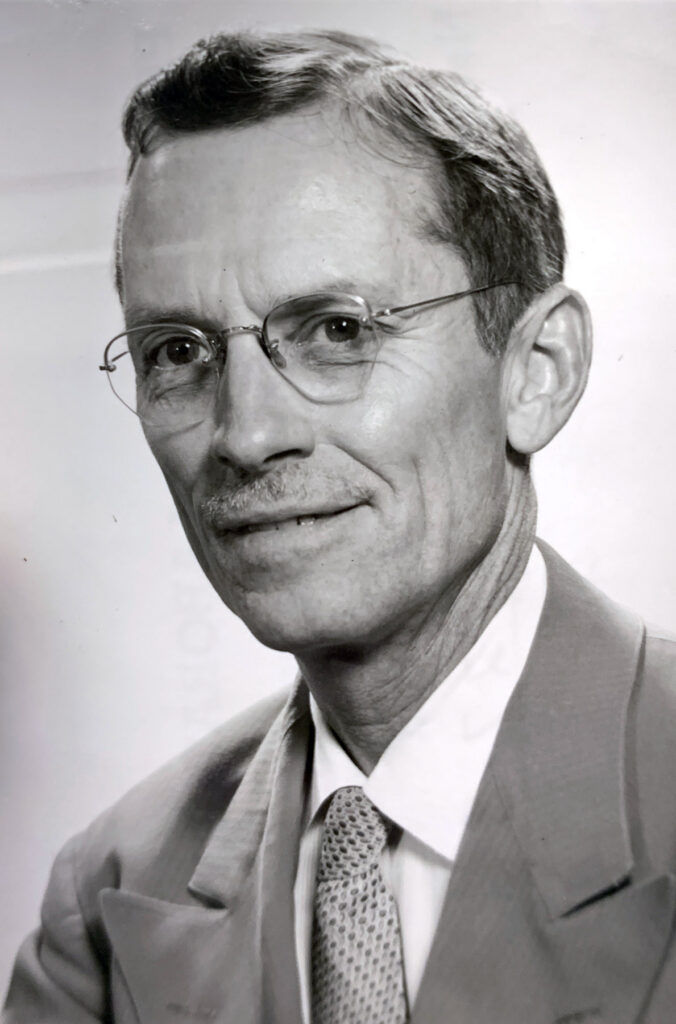
Transportation psychologist Dr. Theodore Watson Forbes was a pioneer in what is known as human factors of the driving experience, with a focus on highway safety. Forbes led a study in the summer of 1950 into the combination of upper and lower case letters together in highway signs for the California Division of Highways while he was a visiting researcher at UCLA. Until this study, traffic signs used all capital letters. The paper was called A Comparison of Capital and Lower case Letters in Highway Signs and it proved that mixed-case lettering was more readable in most conditions than all capitals. His work in sign design became the standard that is still in use today.
Early Life
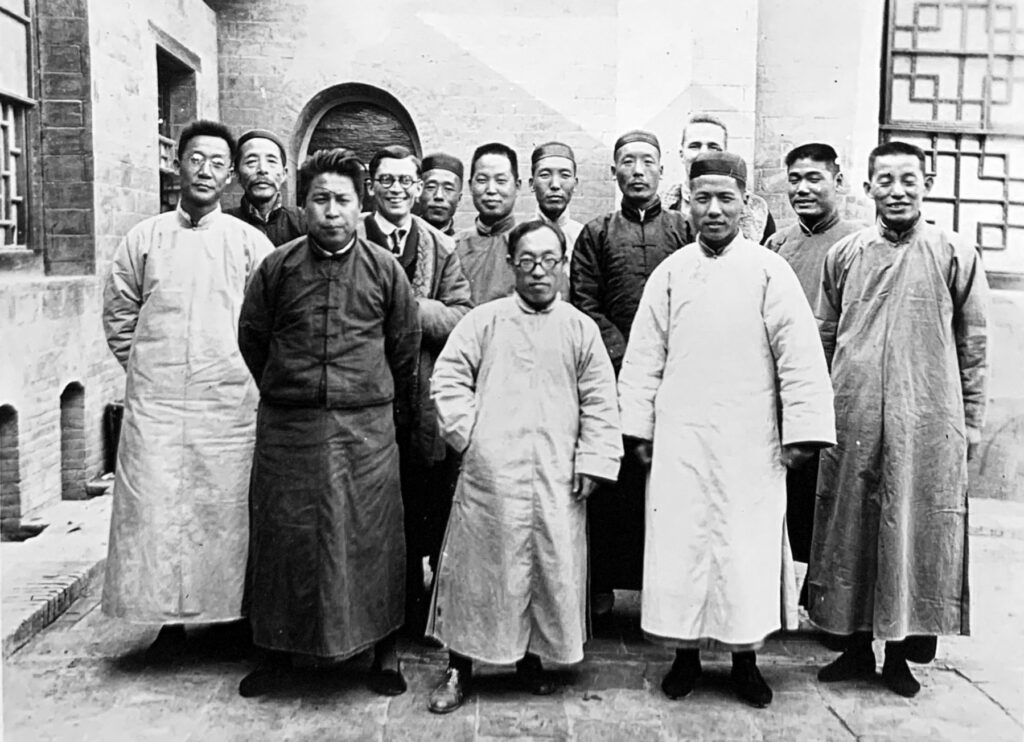
Born to a missionary family in Hawaii in 1902, Dr. Forbes lived on the island of O’ahu until he left to attend Oberlin College in Ohio. There he earned his Bachelor’s Degree in Sociology in 1924 and his Masters degrees in Psychology in 1927. He was an excellent student: president of the Cosmopolitan Club; president of the Mandolin Club; secretary of the Methodist choir; he played baritone horn, baseball, and football. He also spent two years as a teacher doing missionary work in Shansi, China in 1924-1926. His wide range of interests and activities was a portent of his varied and influential career.


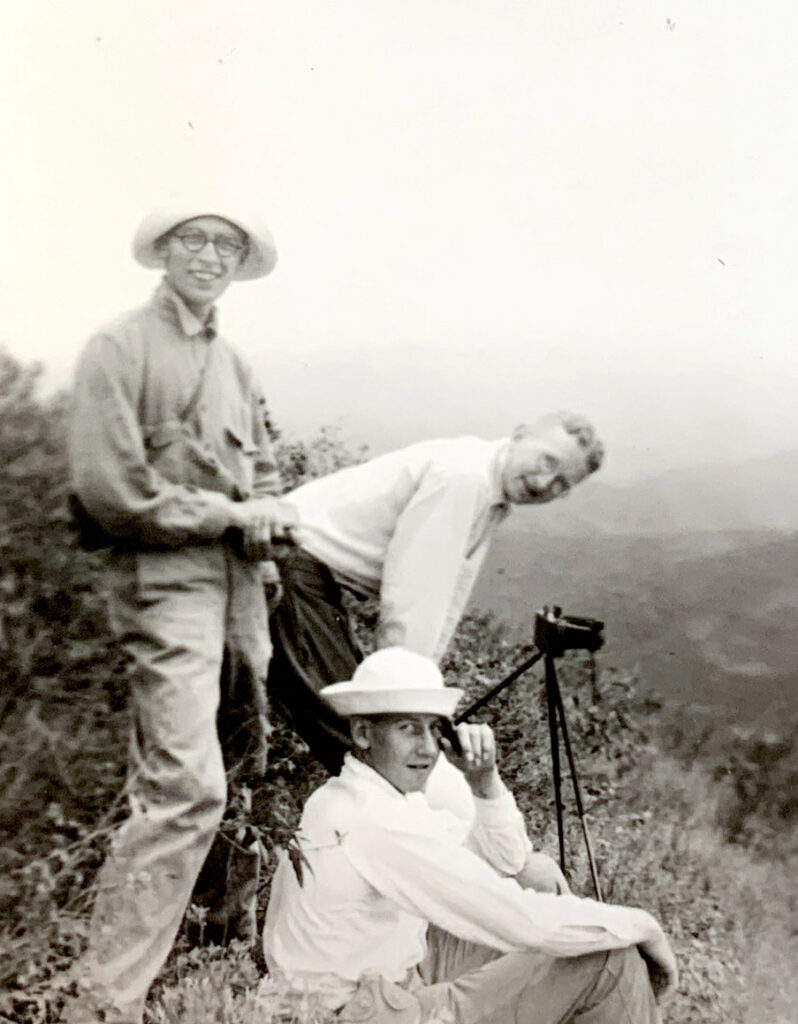
Graduate School
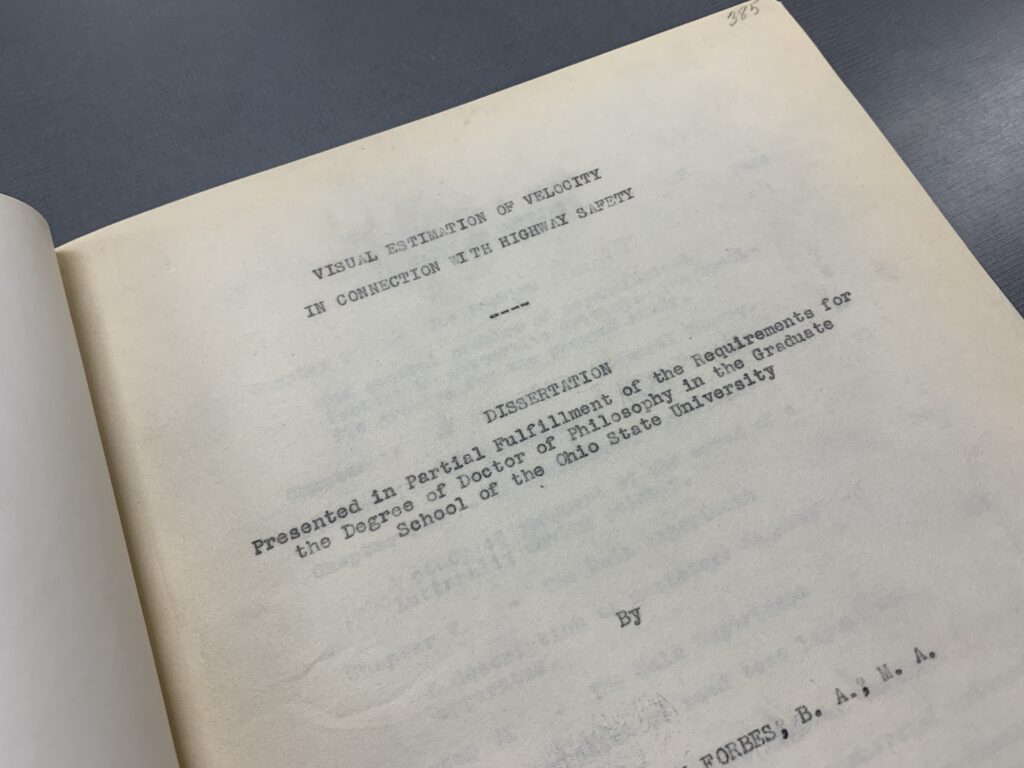
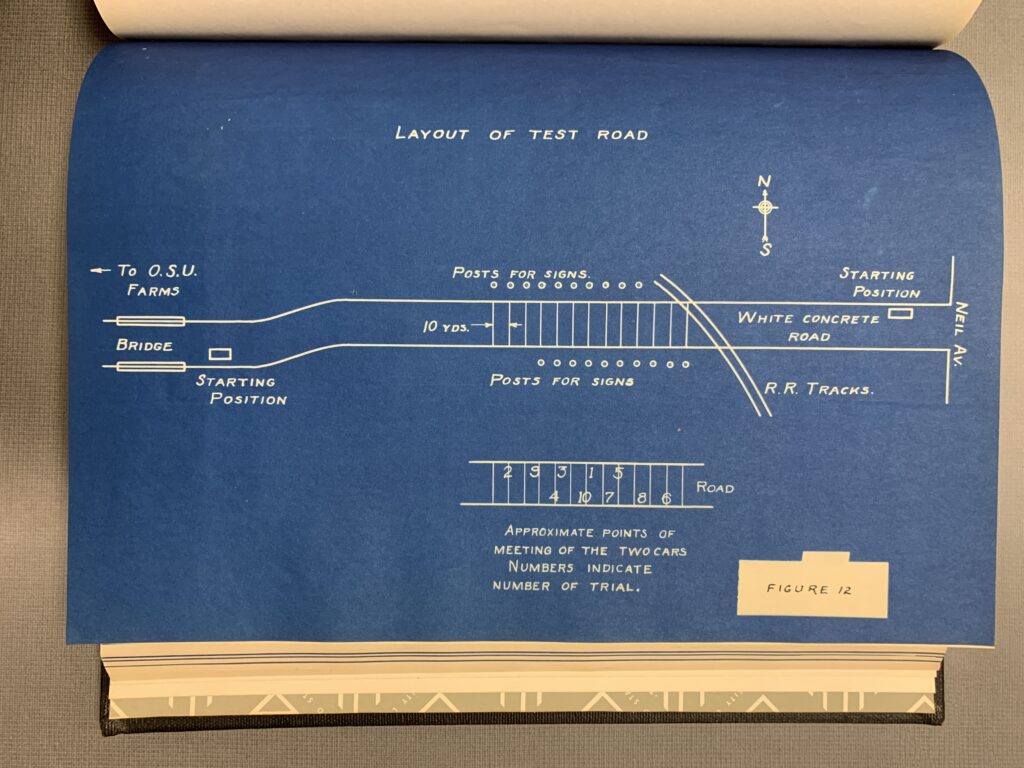
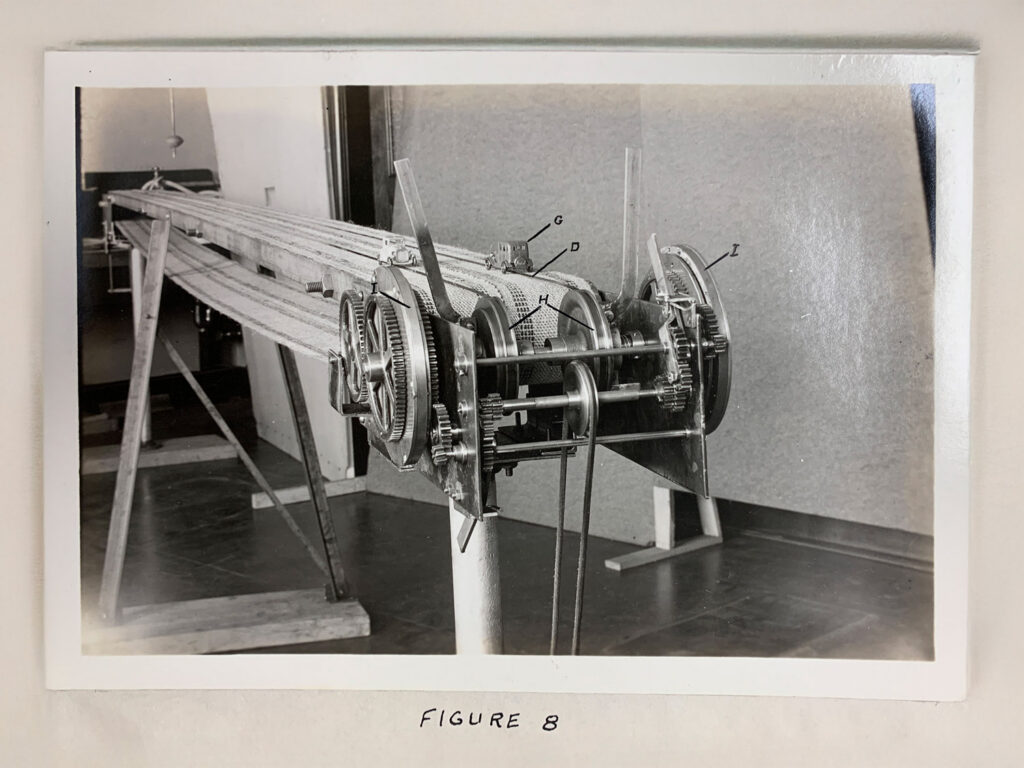
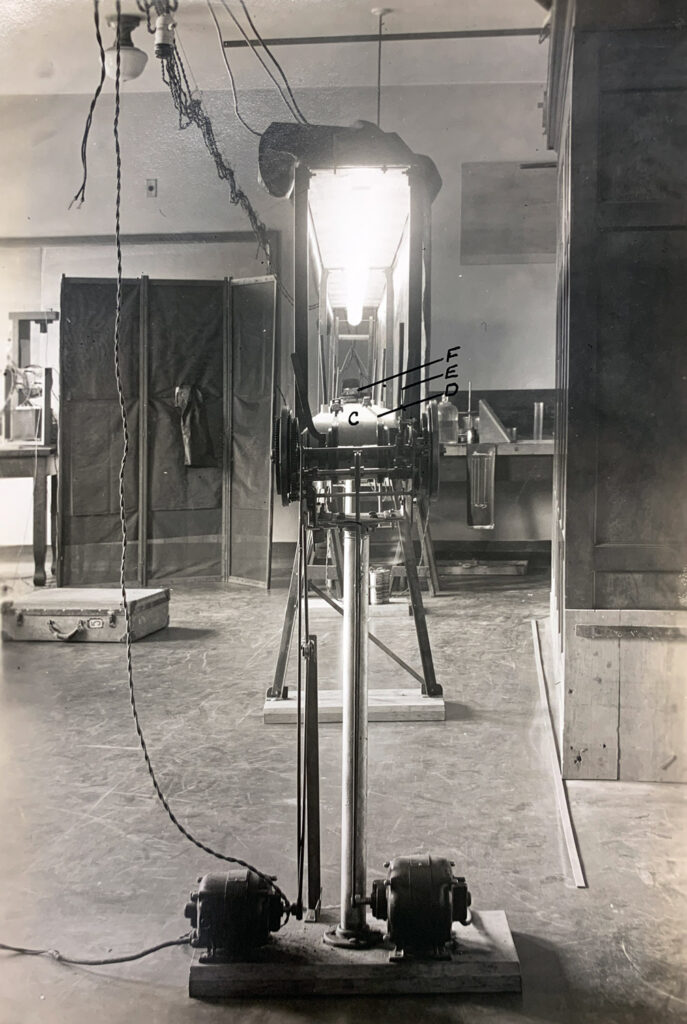
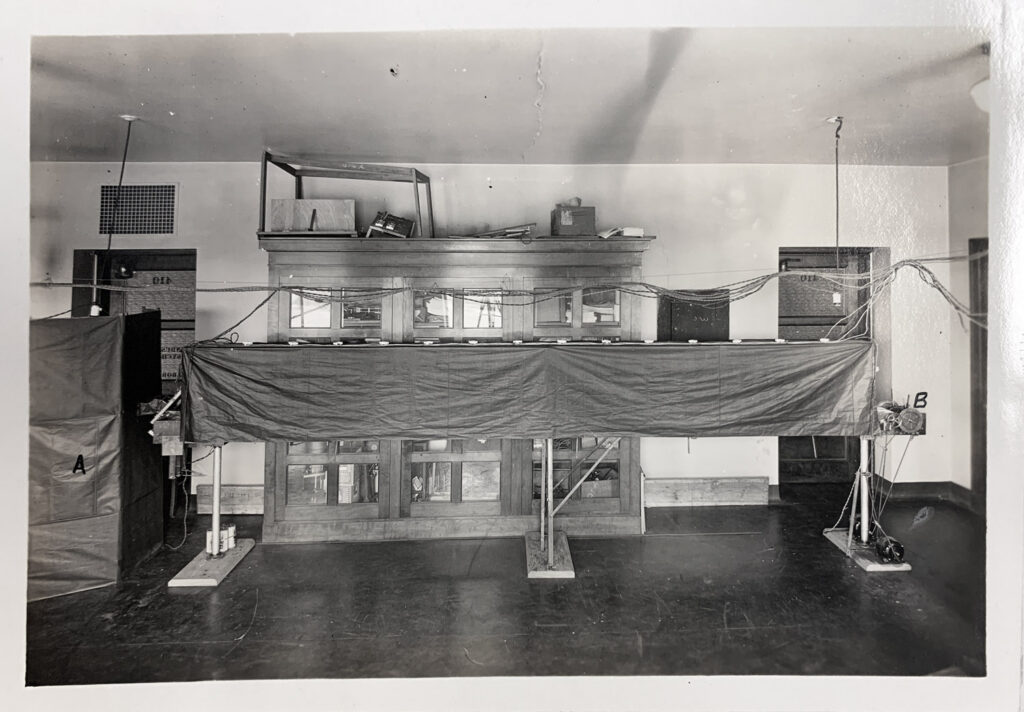
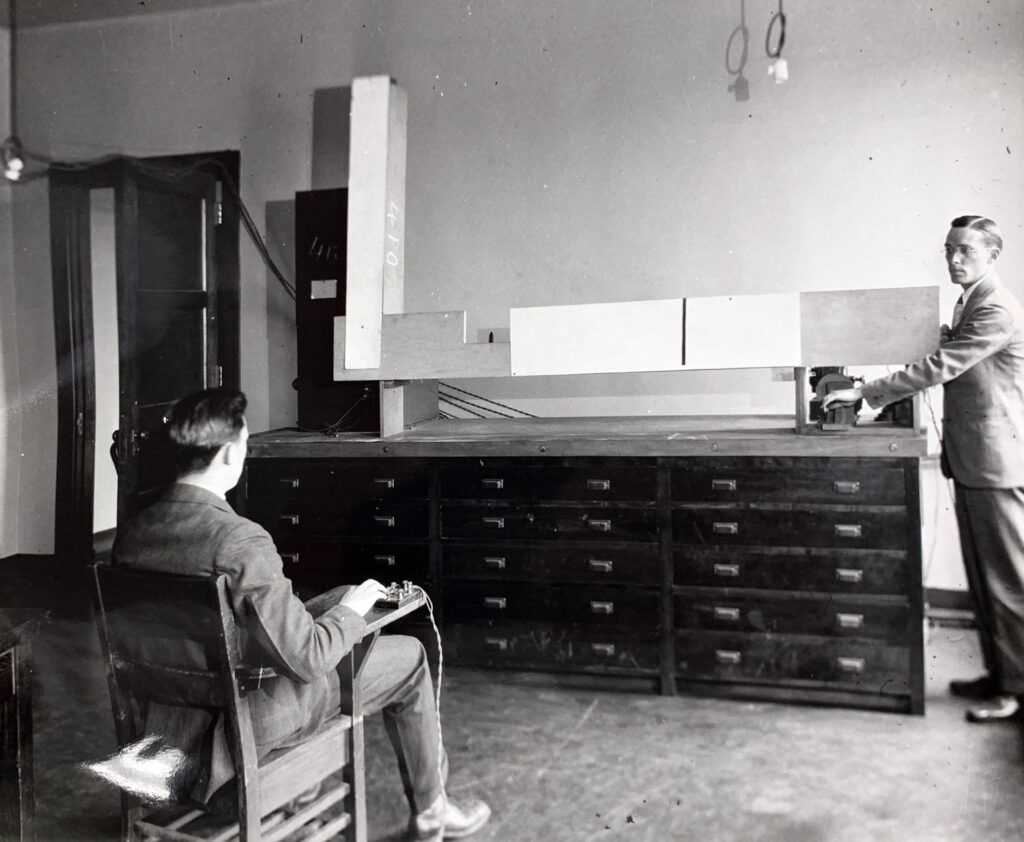
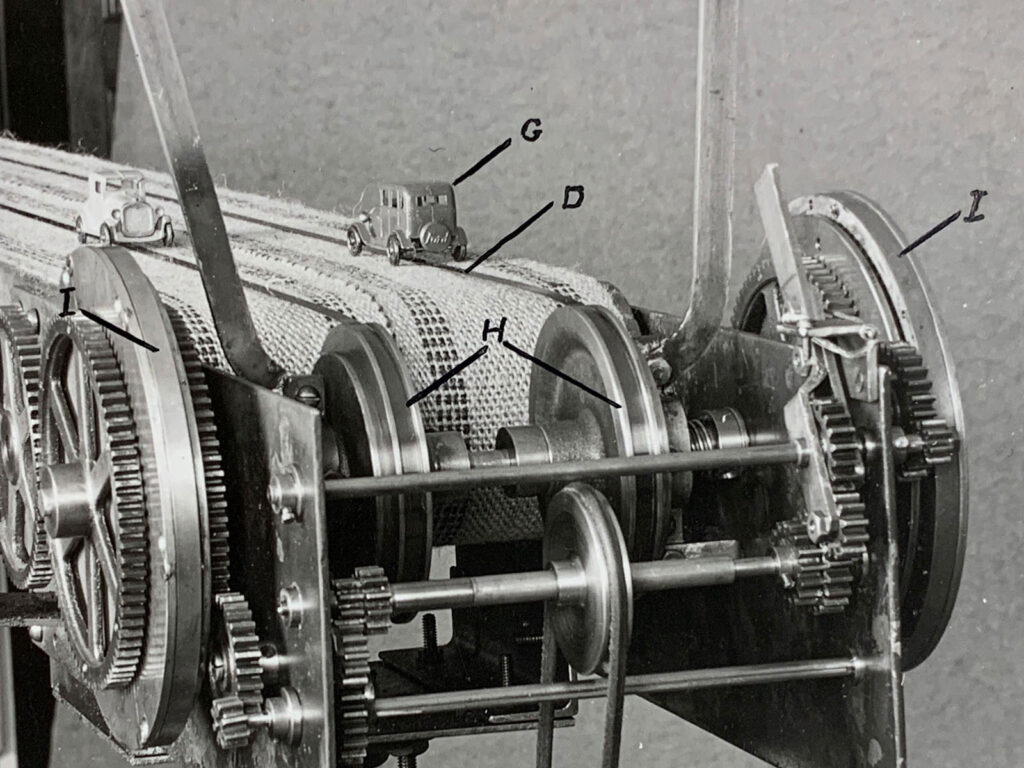
He was introduced to traffic safety while writing his doctoral thesis at Ohio State University in 1931. Working with renowned psychologists Harold Burtt and Albert Weiss, Forbes was immediately drawn to applied psychology — specifically the area of human factors that focuses on the driver as a major aspect of the automobile experience. Forbes’ doctoral thesis was published in Weiss’ last book in 1929, Psychological Principles of Driving. His paper, entitled Visual Estimation of Velocity in Connection with Highway Safety, utilized a mechanical driving simulation to test driver responses in a controlled environment. The inclusion of Forbes’ work in this early important book set the direction of his long career on the frontier of the field of highway signage.
The Harvard (and Yale) Bureau of Street Traffic
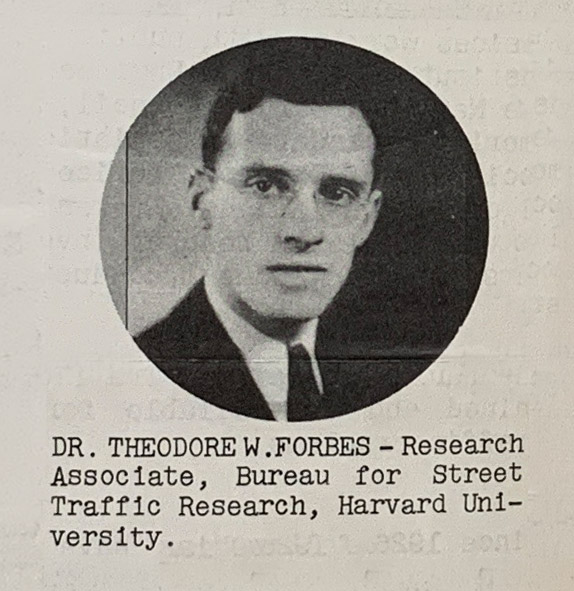
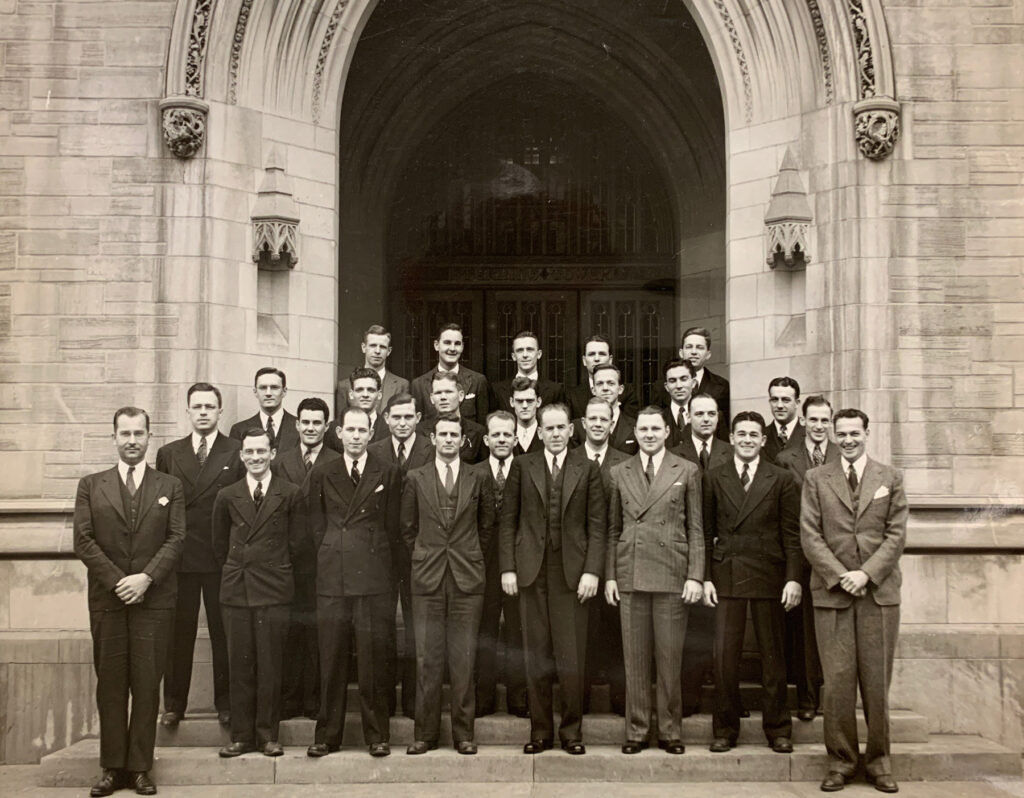
Dr. Forbes spent a few years teaching psychology at Columbia and Barnard writing papers on subjects such as electroshock therapy, catonia, and electrodermal activity. While he may have found this work stimulating, it was a digression from his graduate work in transportation psychology. In 1936, he applied as a research fellow and teacher at the Harvard Bureau of Street Traffic Research. His correspondence with Director Maxwell Halsey show Forbes to be a keen negotiator as he was confident in his value to the bureau where he conducted research and taught classes. The students enrolled at the Harvard Bureau came from state traffic offices around the country. They came to learn about the new and developing concepts in the field and bring them back to their home states. In this way, the program became a major influence on the development of the U.S. highway system. Forbes’ knowledge, ability, and focus blossomed in this environment.
In 1939, the Harvard Bureau moved to Yale and became the Yale Bureau of Traffic. Forbes followed the organization’s move and continued his role teaching and researching at Yale from 1939 to 1941, when he was recruited to assist the war effort.
Early Papers on Signage
Here are a few examples of the many papers T.W. Forbes wrote on the subject of sign legibility in just five years at the Yale Bureau for Street Traffic Research:
- The Normal Automobile Driver as a Traffic Problem, 1939
- Driver Judgments in Passing on the Highway, 1939
- A Method for Analysis of the Effectiveness of Highway Signs, 1939
- Legibility Distances of Highway Destination Signs in Relation to Letter Height, Letter Width and Reflectorization, 1939
- Methods of Measuring Judgment and Perception Time on the Highway, 1939
- A Study of the Legibility of Destination Sign Arrows, 1940
- Psychological Applications to the New Field of Traffic Engineering, 1941
- The Driver’s Visual Field; Factors of Adequate Sign Design, 1941
- Design of Letter Sign Sizes, 1942
The articles above were frequently cited for decades after their publication and outlined principles for the discipline of transportation psychology that are still relevant today.
The Early 1940s
During World War II, from 1942–1945, Forbes worked for the U.S. government on top secret projects in psycho-acoustics for military cockpit design. These projects focused on clarifying the visual and auditory feedback of military aircraft to aid the pilot. In 1946, he went back home and took a position teaching psychology at the University of Hawaii in Honolulu. He taught general psychology and published sporadically for a few years. In 1949, the newly formed Institute of Transportation and Traffic Engineering in California invited him to UCLA as a visiting professor for the spring of 1950. Records show he had no office and did not teach any classes. His only responsibility was to direct the 1951 study on mixed case alphabets for use on road signs.
A Comparison of Lower Case and Capital Letters for Highway Signs
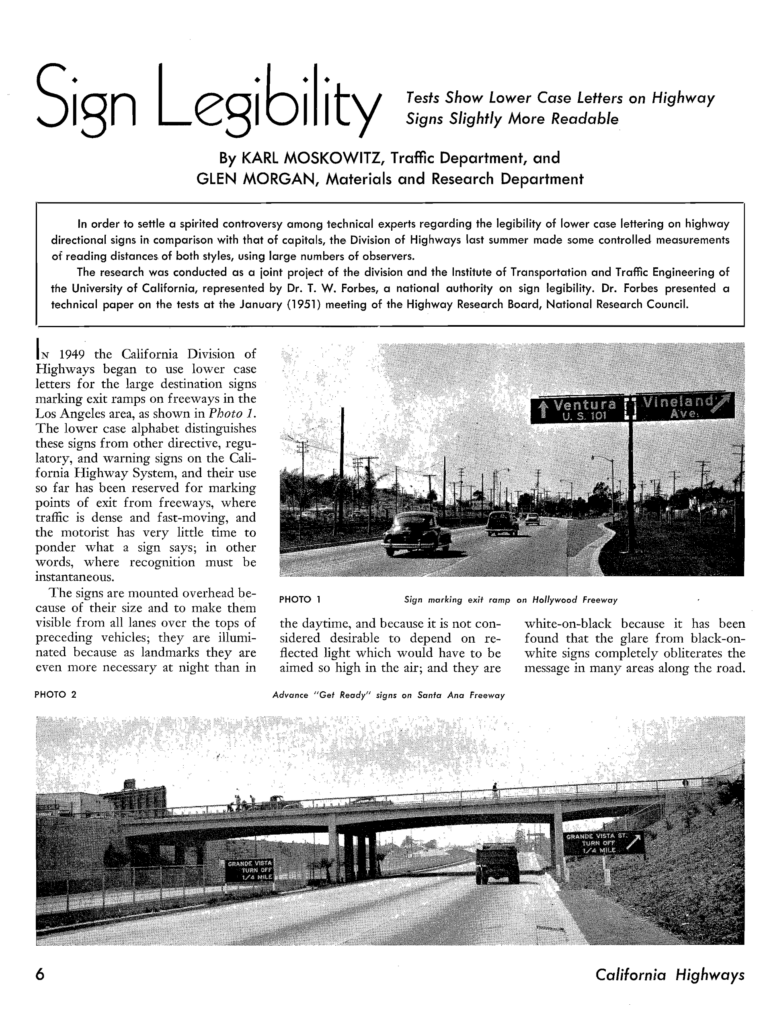
This paper is T.W. Forbes’ most well-known work and the signage guidelines it defines set the direction of U.S. highway signage unDuring the summer of 1950, Forbes—working with Karl Moskowitz and Glen Morgan of the California Division of Highways—conducted an ambitious study comparing all-uppercase signage against place names set in mixed upper- and lowercase. It’s worth clearing up a common myth here: many people and websites credit Forbes as the designer of the lowercase standard alphabets, but that isn’t quite right, since the lowercase lettering had already been in use for a full two years before the study, on the Anaheim freeway outside Los Angeles. The tests themselves took place at the California state fairgrounds in Sacramento. Participants walked toward large signs bearing place names both familiar and unfamiliar, in a range of sizes, each one evaluated for recognition and readability. From 3,939 observations by 55 observers, the researchers gathered enough data to conclude that mixed-case signage was indeed more legible than all capitals—a finding published in the January–February 1951 issue of California Highways and Public Works.

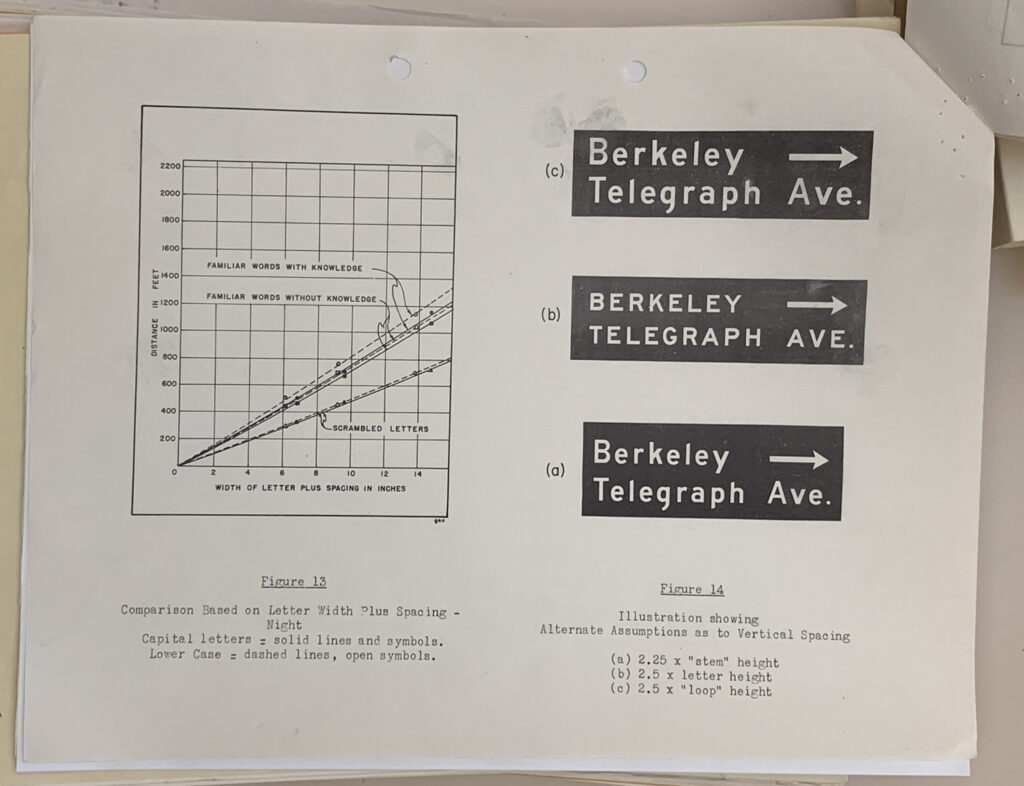
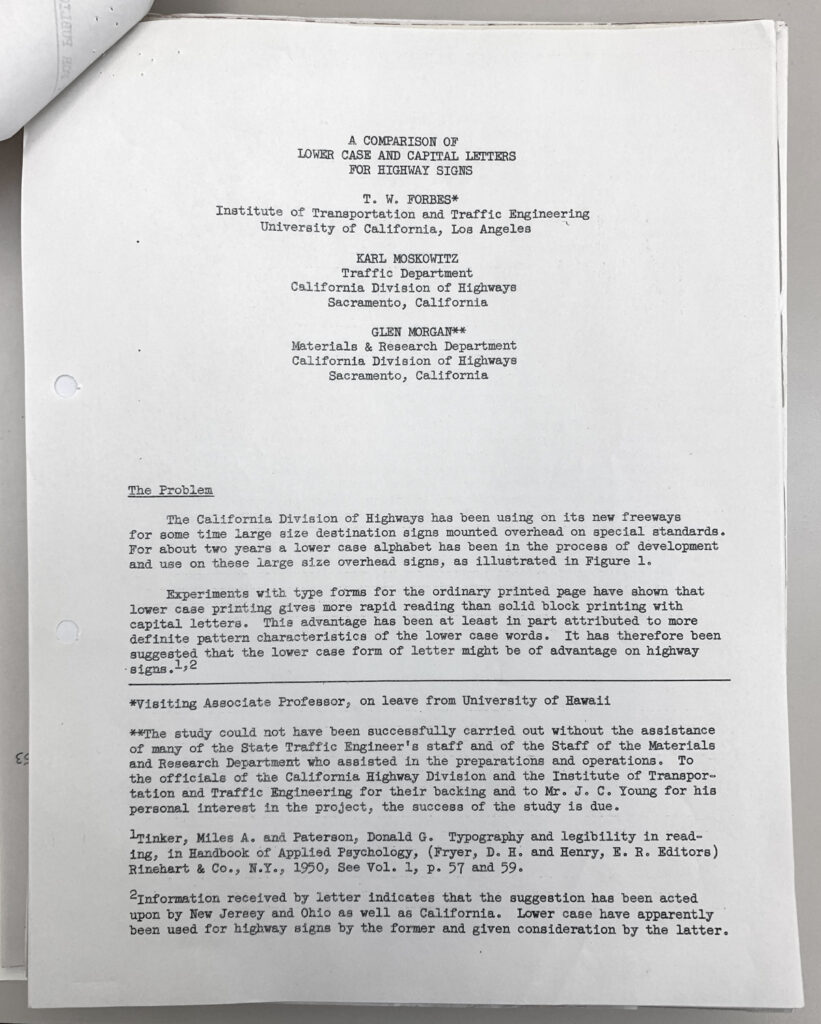
The study’s most significant contribution was defining the ratio of capital to lowercase letter sizes, the spacing between letters, and the size of the letters in relation to viewing distance. In doing so, it transformed what had once been a matter of judgment into a genuine science of signage—a standard that spread from Delaware to Alaska, and eventually around the world.
Then who did design it?
While the development of the upper case letters is fairly well-documented in government publications since 1935, the specific details of how the lower case letters were designed is not presently available in a coherent narrative. All available information leads to California in the late 1940s. Forbes’ original manuscript in the California Department of Transportation Archives states that the lower case letters were in use a full two years before the 1950 study. The report documents many other collaborators that contributed to refining the shapes of the lower case letters, in particular employees of the California Division of Highways and a Los Angeles sign company, California Metal Enameling.
Forbes is often credited for designing the lower case letters. But the letters used in Forbes’ 1951 legibility study were already in use in a separate sign test on the Santa Ana Freeway two years earlier. It is clear that Forbes did not design them. The clues point to a group of engineers working directly with the California Metal Enameling Company, and in particular to one man — senior draftsman Roy Smith — a man all but invisible to history.