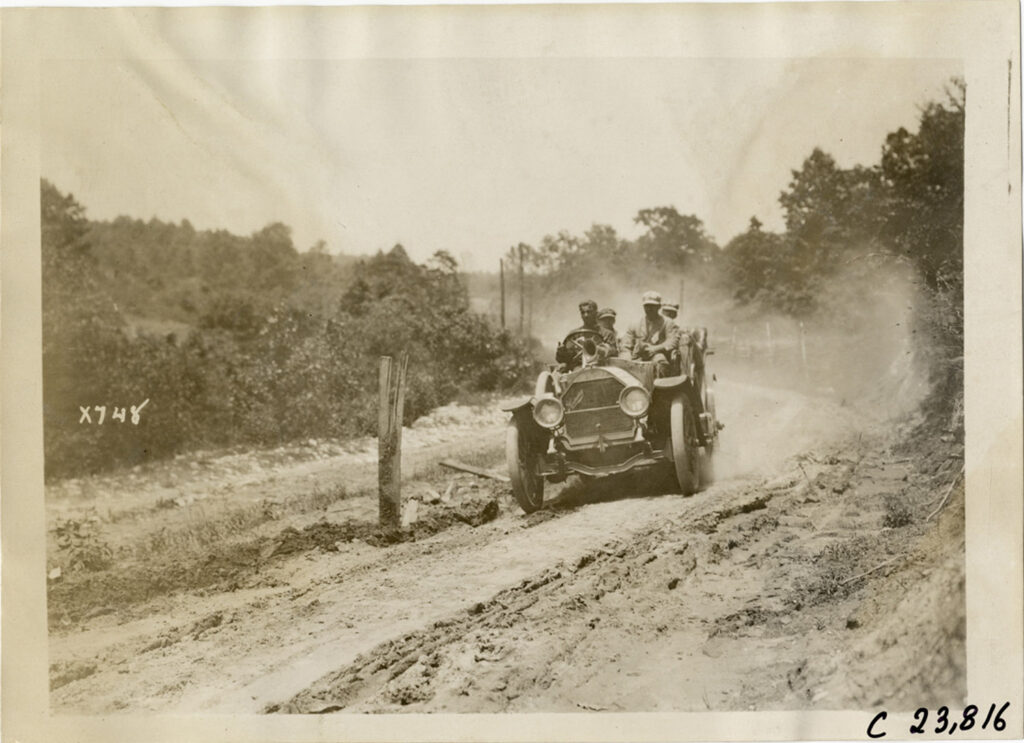
In the 1920s, traffic control devices were a concern of relatively few individuals in the United States. Signs and markings were placed and maintained by auto clubs, local agencies, or state highway departments, with little regard for uniformity in appearance or consistency in use. By the early 1930s, much progress had been made toward providing a national system of uniform traffic control devices.
In the early 1900s, the American Automobile Association (AAA) acted as a private provider of public infrastructure, independently installing wooden road signs to help motorists navigate. This created a legal gray area because police were essentially enforcing rules based on signs placed by a private club rather than a government agency. To resolve this, local governments eventually passed laws that “adopted” these AAA signs as official state markers. This transition from private goodwill to government mandate was a key step in establishing the modern, enforceable “Rules of the Road.”
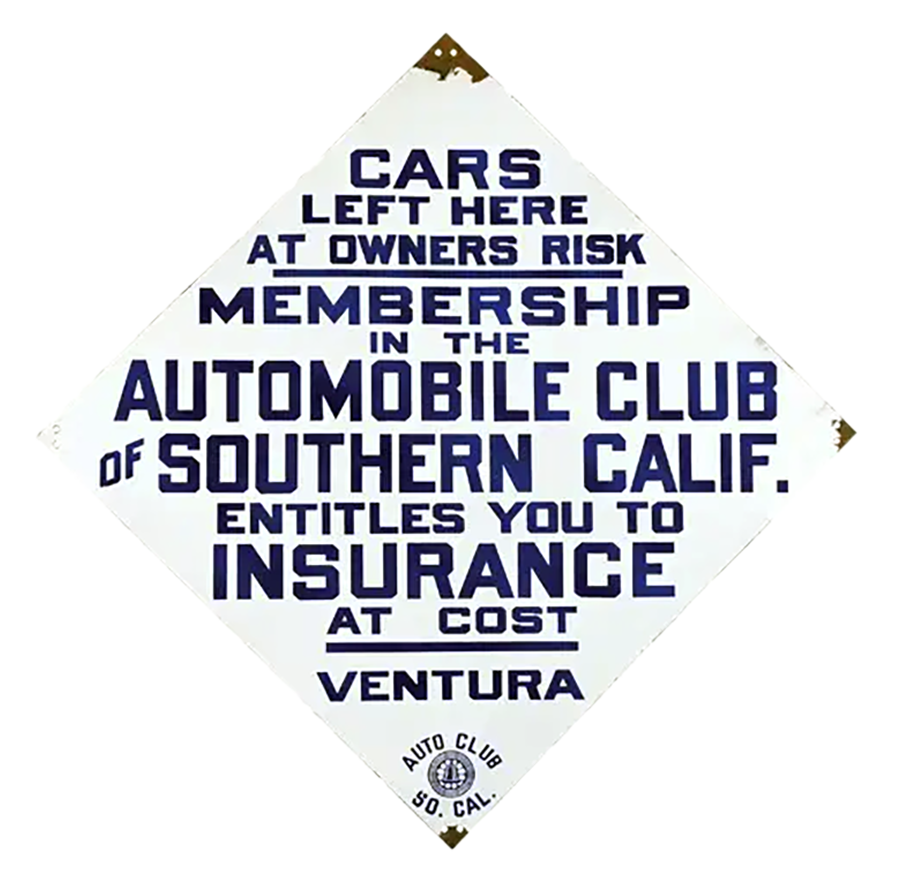
Color logo of the Automobile Club of Southern California.Automobile Club of Southern California roadside sign inviting motorists to join.
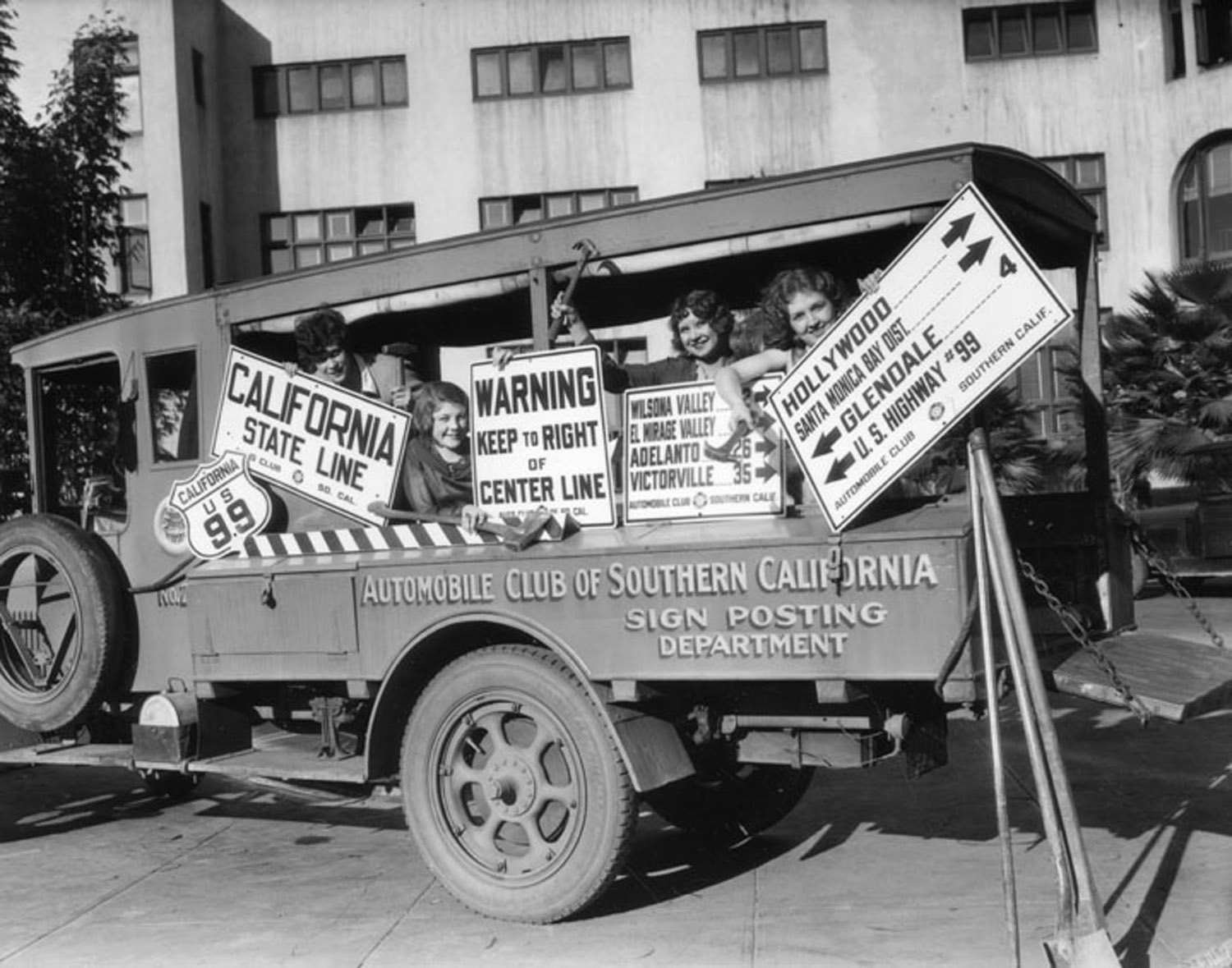
In California, one particularly influential auto club, the Automobile Club of Southern California (ACSC) privately funded and installed thousands of signs playing a particularly important role in establishing standards adopted by the rest of the country.
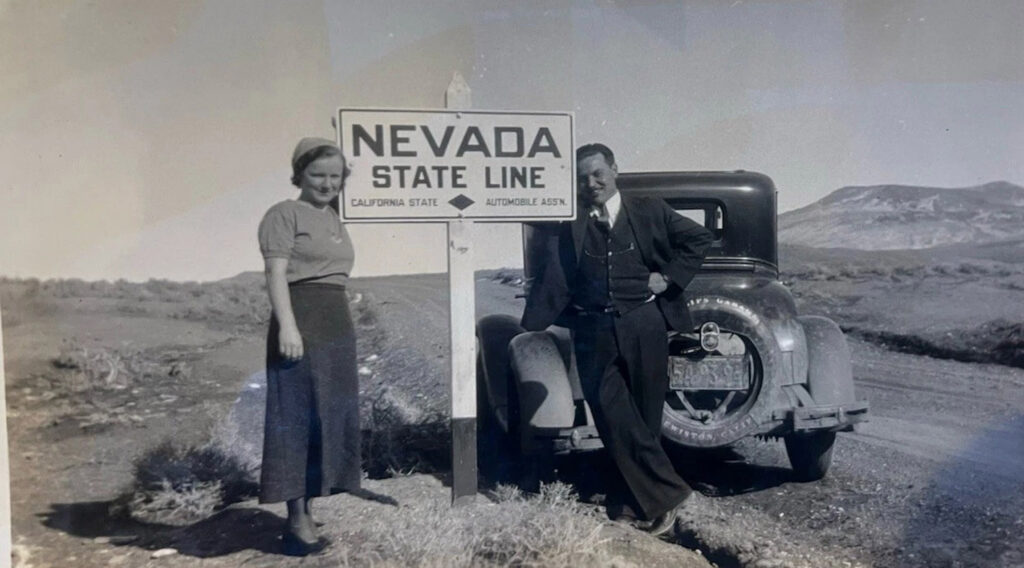
Travelers pose beside a Nevada state line sign during an early automobile trip.Early motorists drive a rough rural road before the era of standardized paved highways.The California Metal Enameling Company Office & Factory at 1400 North Spring Street, Los Angeles, California, circa 1920.An early automobile road winds through a mountain pass with guardrails and steep terrain.In the early 1900s the majority of roads were unpaved and their quality varied considerably.